
Highlights For Hurricane Isaias in Tennessee
Hurricanes may make landfall hundreds of miles from Nashville, but their remnants still pack a punch by the time they reach Middle Tennessee. This weekend, October 10–11, the remnants of Hurricane Isaias will move through our area. According to the National Weather Service in Nashville, we can expect:
- 1–3 inches of rain, heaviest on Saturday and Saturday night
- Wind gusts of 30–40 mph, with a 20–60% chance of gusts topping 45 mph
- Downed trees and limbs, plus scattered power outages
Table of Contents
How Wind and Rain from the Hurricane can Affect Your Home
Hurricanes may make landfall hundreds of miles from Nashville, but their remnants still pack a punch by the time they reach Middle Tennessee. This weekend, October 10–11, the remnants of Hurricane Isaias will move through our area, and that kind of storm damage roof problems in a hurry: wind and heavy rain can lift, crease, or tear off shingles, damage flashing and pipe boots, clog gutters, send limbs and debris onto the roof, and turn small weak spots into active leaks.
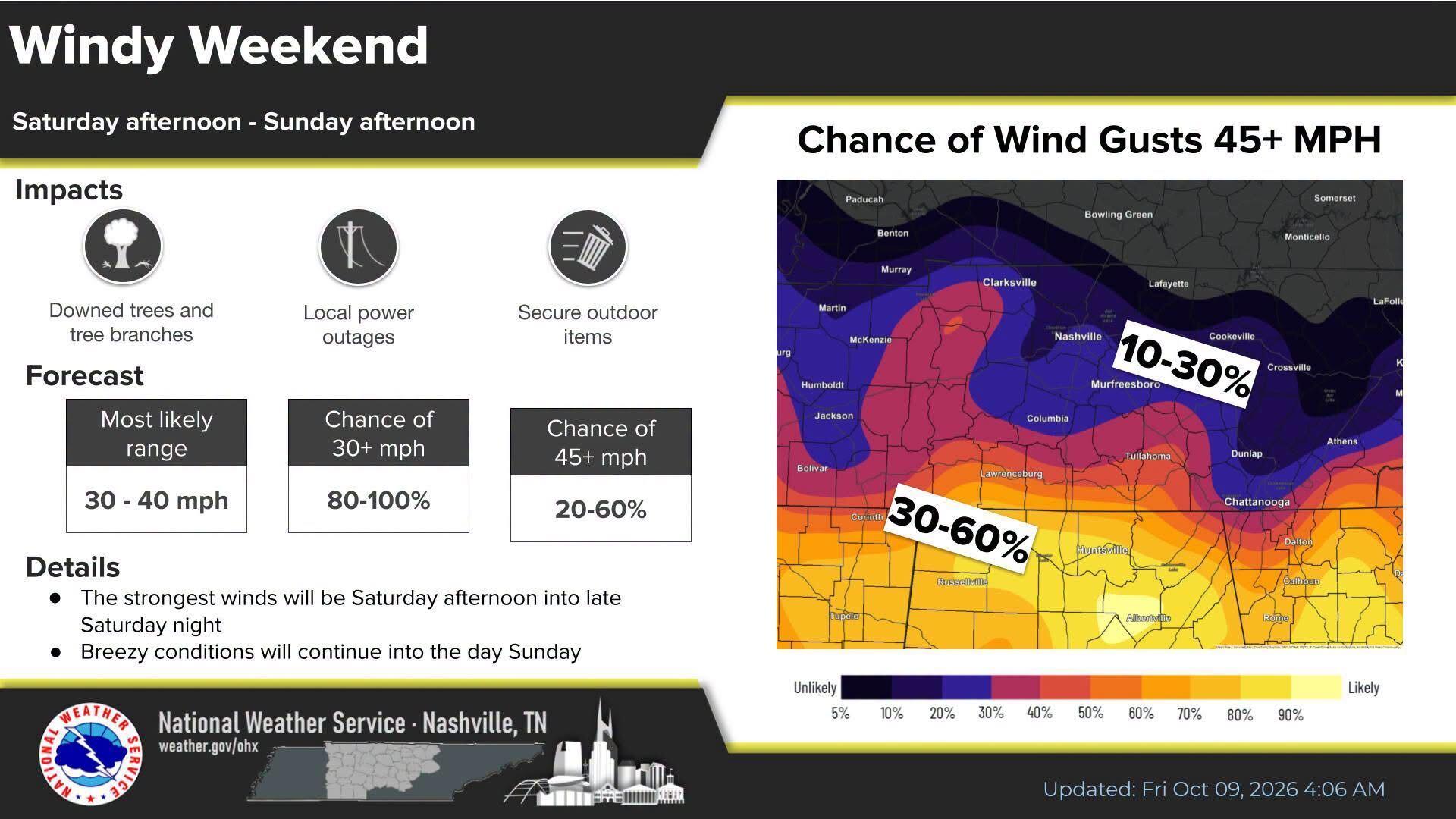
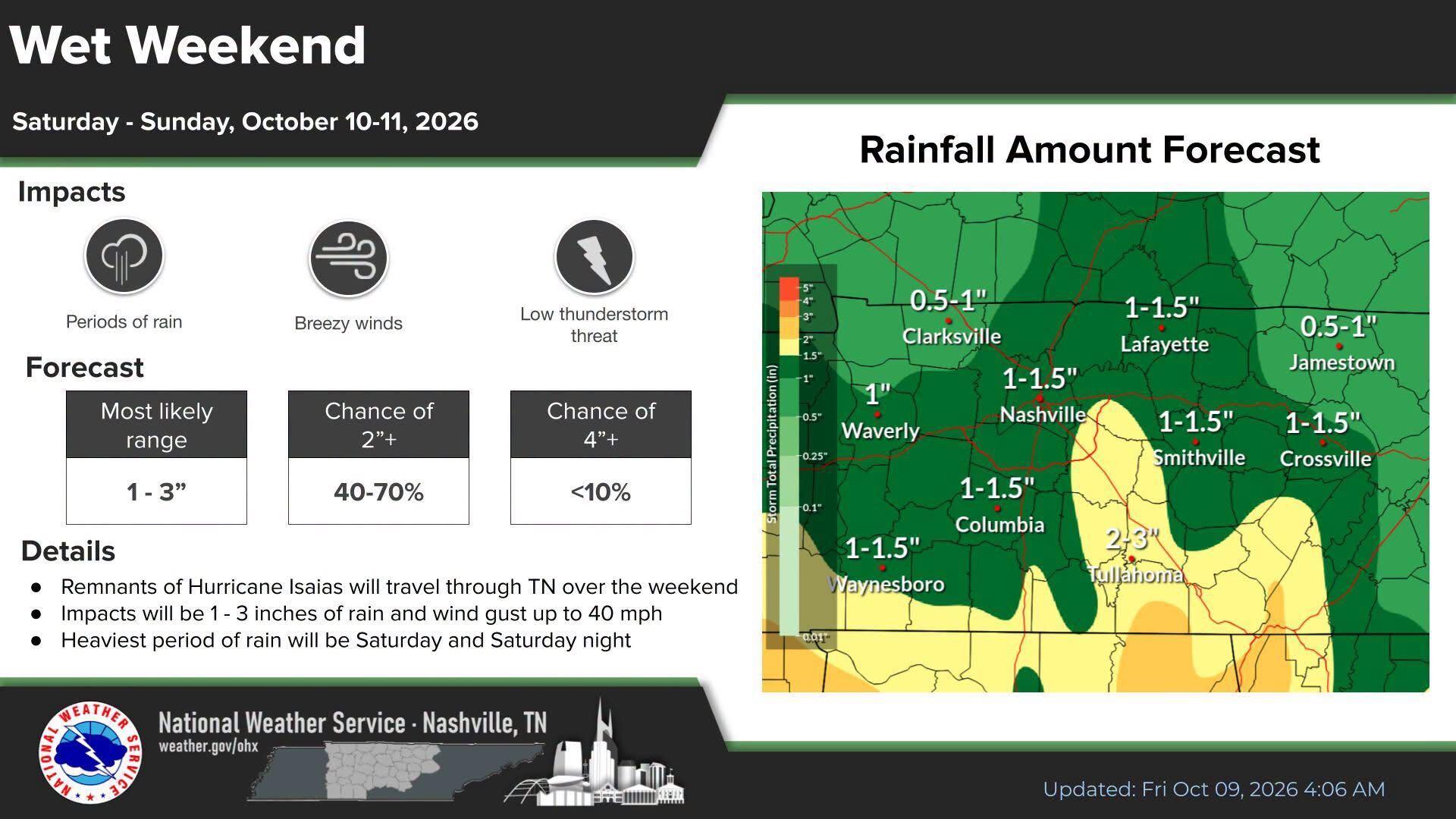
According to the National Weather Service in Nashville, we can expect:
- 1–3 inches of rain, heaviest on Saturday and Saturday night
- Wind gusts of 30–40 mph, with a 20–60% chance of gusts topping 45 mph
- Downed trees and limbs, plus scattered power outages
For Middle Tennessee homeowners, especially anyone worried about storm-related wind and rain, that means checking for common signs of damage before and after the storm, taking a few practical steps to prepare, and knowing when to schedule a free post-storm roof inspection. Here’s how this weather can affect your roof, what damage to look for, and what you can do today to avoid leaks, bigger structural problems, and more expensive repairs.
How Wind and Missing Shingles Affect Your Roof
Most modern architectural shingles are built to handle winds well above 40 mph when they’re properly installed and sealed. The trouble starts with roofs that are older, have brittle shingles, or have seal strips that never bonded.
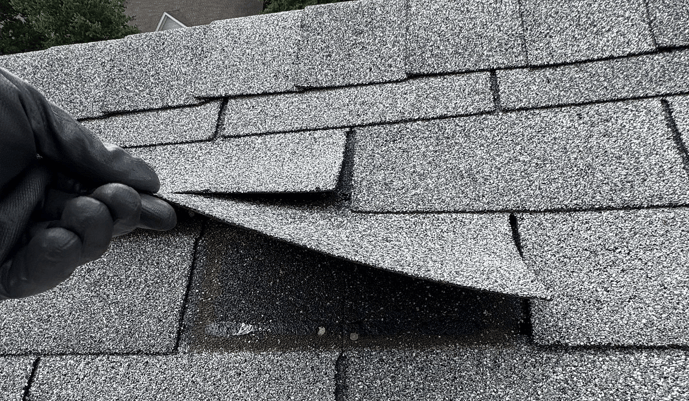
Strong gusts can catch the edge of a loose shingle and lift it. Even if the shingle settles back down, the seal may be broken, leaving it open to the next storm. Watch for these wind-related issues:
- Lifted or creased shingles, often along ridges and roof edges
- Missing shingles that expose the underlayment
- Damaged ridge caps and flashing around chimneys and vents
- Impact damage from limbs and debris, the most common wind problem we see in Williamson County
How Heavy Rain Affects Your Roof
Two or three inches of rain in a short window puts every part of your drainage system to the test. Common trouble spots include:
- Clogged gutters that overflow and send water behind fascia boards or toward your foundation; keeping them clean helps prevent standing water and can also reduce ice dam formation in colder weather
- Worn pipe boots and flashing that let water slip under shingles; flashings and seals should be checked regularly and resealed when needed
- Existing weak spots, such as a small leak you’ve been meaning to fix, which can turn into ceiling stains fast; hail can also knock granules off shingles and expose them to faster wear
That pooled water can work beneath the roofing system, penetrate underlayment, and reach the roof deck.
Ice dams can form when melting snow refreezes at colder eaves and causes leaks.
Your Storm Prep and Roof Replacement Checklist
All of these can be done from the ground or from a short step stool:
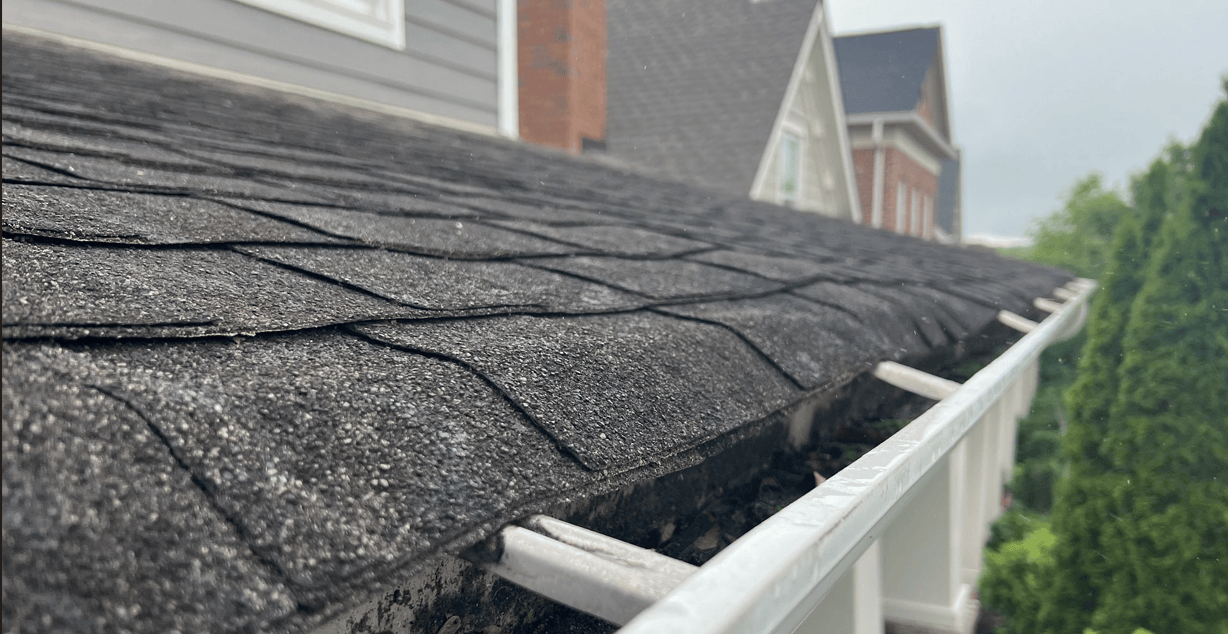
- Clear gutters and downspouts of leaves and debris. Fall leaves make this especially important right now.
- Secure outdoor items. Patio furniture, grills, planters, and trash cans can become projectiles in 40 mph gusts.
- Check your trees. Note dead or overhanging limbs near the house, trim branches that hang over the roof to reduce the risk of tree-related damage, and park cars away from them.
- Take “before” photos of your roof, siding, and gutters from the ground. Dated photos make insurance claims much smoother, and it also helps to keep a log of the storm’s date and weather conditions for insurance purposes.
- Prep for outages. Charge phones and flashlights, and know where your main water shutoff is.
What to Do After the Storm Damage

Once the wind dies down on Sunday, identify roof damage with a ground level check first, then schedule a roof inspection within 2–4 weeks after the storm. Walk around your home and look for:
- Shingles, shingle pieces, or granules in the yard or gutters, since granule loss can point to impact areas and helps guide a damage assessment
- Limbs resting on the roof
- Dented gutters or vents
- Water stains on ceilings or in the attic
Please don’t climb onto your roof.
Wet shingles are slippery, and a lot of wind damage isn’t visible from a ladder anyway. Many issues are easy to miss with an untrained eye, and homeowners identify only 30% of storm-related roof damage. Professional checks uncover 75% more damage and matter even more after severe weather. Snap photos from the ground so visible damage is documented, and insurance adjusters can compare those images against specific patterns during the insurance process. If you see significant damage, contact your insurer right away, since insurance policies usually require fast reporting. Temporary tarping can help stop water leaks and limit water damage until repairs are made. Give us a call.
Complimentary Post-Storm Inspections From Your Local Roofer
Five Points Roofing has served Franklin, Nashville, and the surrounding communities for more than 30 years. Our HAAG Certified inspectors assess your roof’s condition, check flashings, ridge caps, and roof edges, and document visible damage for the insurance company. Granule loss can shorten a shingle’s lifespan by 40-60%, so damaged shingles should not be dismissed as minor issues. If repairs are not enough, our team can advise whether roof replacement or a new roof is the better path before any work begins. We never use subcontractors, so the team that inspects your roof is the team that fixes it.
If this weekend’s storm leaves you with questions about your roof, call us at (615)767-4001 to schedule your free inspection. Most homeowners can identify only about 30% of storm-related damage, which is why a professional assessment matters.
Stay safe and dry this weekend, neighbors. Impact-resistant roofing material may help reduce future storm damage and can sometimes qualify for insurance discounts.