
Highlights for Hurricane Isaias in Florida
Hurricane Isaias made landfall near Destin as a Category 2 hurricane with 105 mph sustained winds. According to the National Weather Service in Mobile/Pensacola’s preliminary storm report:
- Peak wind gusts of 118 mph at Jay in Santa Rosa County and 116 mph at Oriole Beach in Escambia County
- 11.65 inches of rain in Mary Esther in Okaloosa County
- Storm surge flooding and beach erosion, plus downed trees and widespread power outages
Table of Contents
How Wind and Rain from the Hurricane Can Affect Your Florida Home
Coastal communities from Pensacola to Panama City know hurricane season well, but a storm like Isaias can still damage a roof in a hurry. Hurricane-force wind and sideways rain can lift, crease or tear off shingles, loosen metal panels, damage flashing and pipe boots, clog gutters, throw debris onto the roof, and turn small weak spots into active leaks.
For homeowners in Escambia, Santa Rosa, Okaloosa, Walton and Bay counties, that means checking for common signs of damage, documenting what you find, and getting a professional roof inspection before small problems turn into rot, mold and bigger repair bills. Florida’s heat and humidity make that more urgent: trapped moisture can lead to mold within days.
How Wind and Missing Shingles Affect Your Roof
Roofs built to the current Florida Building Code are designed for high-wind zones, but older roofs, brittle shingles and seal strips that never fully bonded can still fail. Years of salt air and UV exposure also wear down fasteners and sealants faster than you might expect.
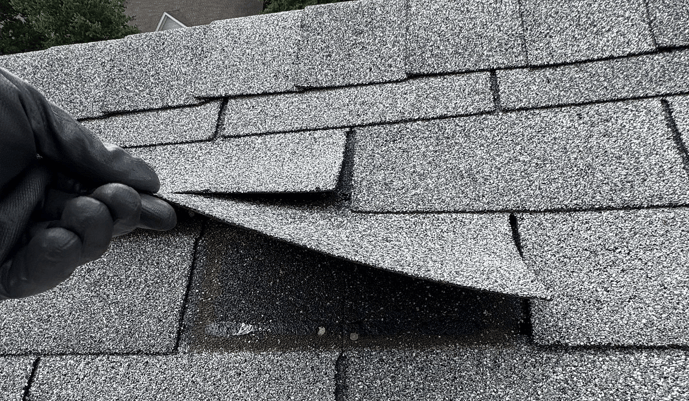
Strong gusts can catch the edge of a loose shingle or metal panel and lift it. Even if it settles back down, the seal may be broken, which leaves it open to the next storm. Watch for these wind-related issues:
- Lifted or creased shingles, often along ridges and roof edges
- Missing shingles that expose the underlayment
- Loose or bent metal panels and exposed fasteners
- Damaged ridge caps and flashing around chimneys and vents
- Impact damage from limbs and wind-borne debris
How Heavy Rain Affects Your Roof
Hurricane rainfall, driven sideways by strong wind, tests every part of your roof and drainage system. Common trouble spots include:
- Clogged gutters that overflow and send water behind fascia boards or toward your foundation
- Worn pipe boots and flashing that let wind-driven rain slip under shingles
- Soffits and ridge vents where rain can be forced into the attic
- Existing weak spots, such as a small leak you’ve been meaning to fix, which can turn into ceiling stains and mold quickly
Pooled or wind-driven water can work beneath the roofing system, get through the underlayment and reach the roof deck.
What to Do After the Storm
Once it’s safe to go outside, start with a ground-level check, and schedule a roof inspection as soon as you can. Walk around your home and look for:
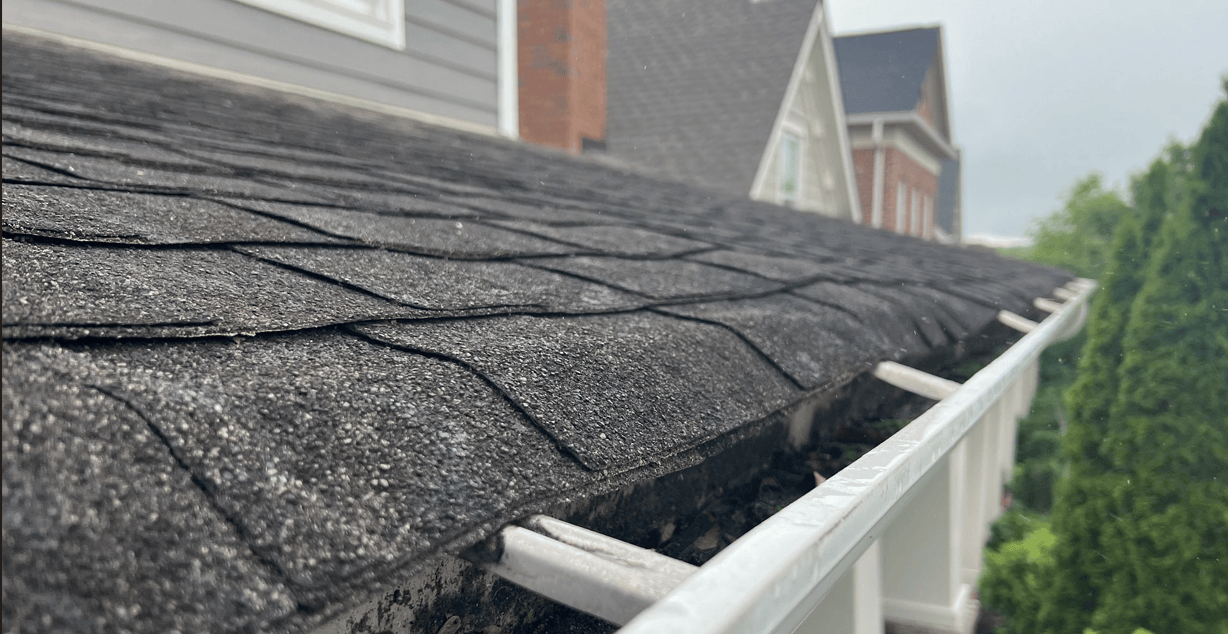
- Shingles, shingle pieces, metal trim or granules in the yard or gutters
- Limbs or debris resting on the roof
- Dented gutters or vents
- Water stains on ceilings or in the attic, and any musty smell
Please don’t climb onto your roof.
Wet roofs are slippery, and a lot of wind damage can’t be seen from a ladder. Homeowners spot only about 30% of storm-related roof damage, while professional inspections uncover far more. Take photos from the ground so visible damage is documented, and keep a log of the storm’s date and conditions.
If you see significant damage, contact your insurance company right away. Florida policies have their own hurricane deductibles and filing deadlines, so don’t wait. Emergency tarping can help stop leaks and limit water damage until repairs are made.
A word of caution: After a major storm, be wary of anyone pressuring you to sign on the spot. Ask for a valid Florida roofing contractor license, proof of insurance and local references before you agree to any work.
Complimentary Post-Storm Inspections from a Roofer You Can Trust
Five Points Roofing has served homeowners for more than 30 years, and our crews are now on the ground in Northwest Florida to help neighbors recover from Hurricane Isaias. Our HAAG Certified inspectors check your roof’s condition, flashing, ridge caps and roof edges, and document visible damage for your insurance company. If repairs aren’t enough, we’ll tell you plainly whether a roof replacement is the better option before any work begins. We never use subcontractors, so the team that inspects your roof is the team that fixes it.
If Hurricane Isaias left you with questions about your roof, call us at (850) 399-5560 to schedule your free inspection.
Stay safe, Northwest Florida. When it’s time to repair or replace, impact-resistant and wind-rated roofing can help protect your home from future storms and may qualify for insurance discounts.