
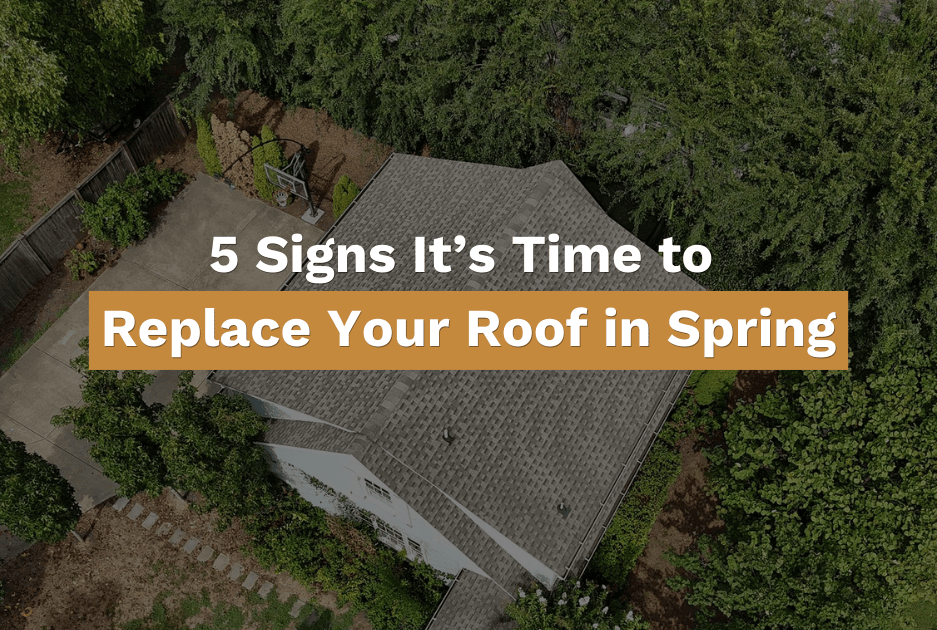
Highlight for Springtime Roof Replacement Signs
Winter weather can take a toll on your roof, making spring the perfect time for an inspection. If you notice missing or damaged shingles, a sagging roofline, water stains, mold growth, or rising energy bills, your roof may need to be replaced. An aging roof (20+ years old) is also at risk of leaks and structural issues. Spring’s mild weather makes it the best time for a roof replacement, so schedule an inspection now to avoid costly repairs later.
Table of Contents
Introduction to Roof Replacement
Published: 02/26/2025 | Updated: 3/25/2026
Replacing your roof is one of the most important investments you can make in your home’s structure and long-term safety. A good roof acts as the first line of defense against harsh weather, shielding your home from heavy rain, high winds, and relentless sun exposure. Most roofs, especially those with asphalt shingles, have a typical lifespan of about 20 to 25 years. However, even the best roofs can show warning signs of trouble before reaching that age. Missing shingles, a sagging roofline, or persistent leaks are all clear indicators that it may be time to replace your roof. Ignoring these issues can lead to structural damage, costly repairs, and even compromise your home’s integrity. In this article, we’ll walk you through the most common signs it’s time to replace your roof and help you understand how to protect your home from further damage caused by severe weather conditions.
Is Your Roof Ready for Spring? Here are the signs
Winter in Middle Tennessee can be tough on roofs. Between cold temperatures, snow, ice, and heavy rain, your roof takes a beating. Now that spring rain is here, it’s the perfect time for a inspection before small issues turn into expensive repairs.
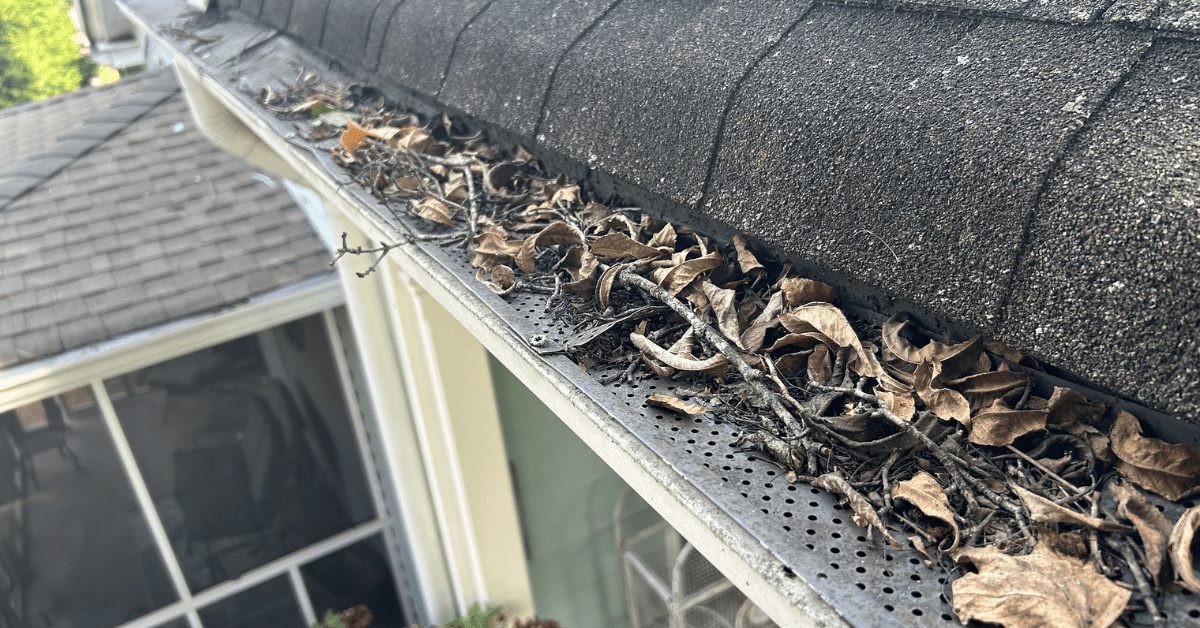
Many homeowners don’t realize they need a roof replacement until major roof damage has already occurred. If you’re seeing missing shingles, curled shingles, clogged gutters, or mold growth, it may be time to replace your roof. Whether you have asphalt shingles or another type of roofing material, catching problems early can prevent extreme weather conditions from making them worse.
In this article, we’ll go over how to see if your roof needs replacing in spring, why spring is the best season for a roof replacement project, and how hiring a local roofing company can make the process easy. If any of these warning signs sound familiar, hire professionals like Five Points Roofing to get your roof inspected today.
1. Missing or Damaged Shingles
Why Winter is Hard on Shingles
Winter months bring cold temperatures, snow, and ice, all of which can wear down roofing materials over time. Asphalt shingles expand and contract with temperature changes, leading to curled shingles, cracks, and missing shingles. Trapping moisture under damaged shingles can cause algae growth, moss growth, and mold growth, which weakens your roof further.
How to Spot Shingle Damage
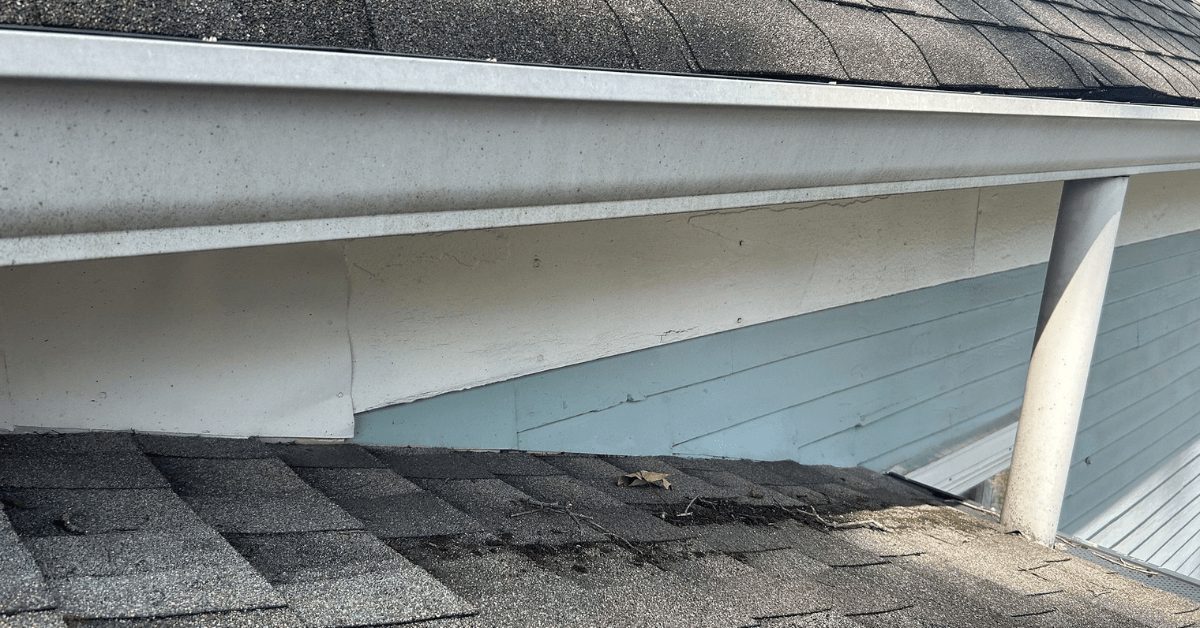
Inspect your roof from the ground for missing shingles, curled shingles, dark patches where shingles are gone, bald spots on shingles where protective granules are missing, or any other visible damage. Bald spots are a clear sign of wear and indicate that the shingles are losing their ability to protect your home.
Also, check your gutters—if you see lots of shingle granules in them, your roof’s age may be catching up with it. Protective granules help shield shingles from UV rays, and their loss accelerates roof aging. The roof’s age is a critical factor in determining when replacement should be considered, as older roofs are more prone to damage and may not provide adequate protection. If you notice curled or cupped shingles, improper installation could also be a cause, so it’s important to have a professional inspection to identify and address installation issues. If your old roof has seen better days, it might be time to plan ahead for a roof replacement before the summer months bring more storms.
2. A Sagging Roof or Structural Damage
Why Roofs Lose Structural Integrity
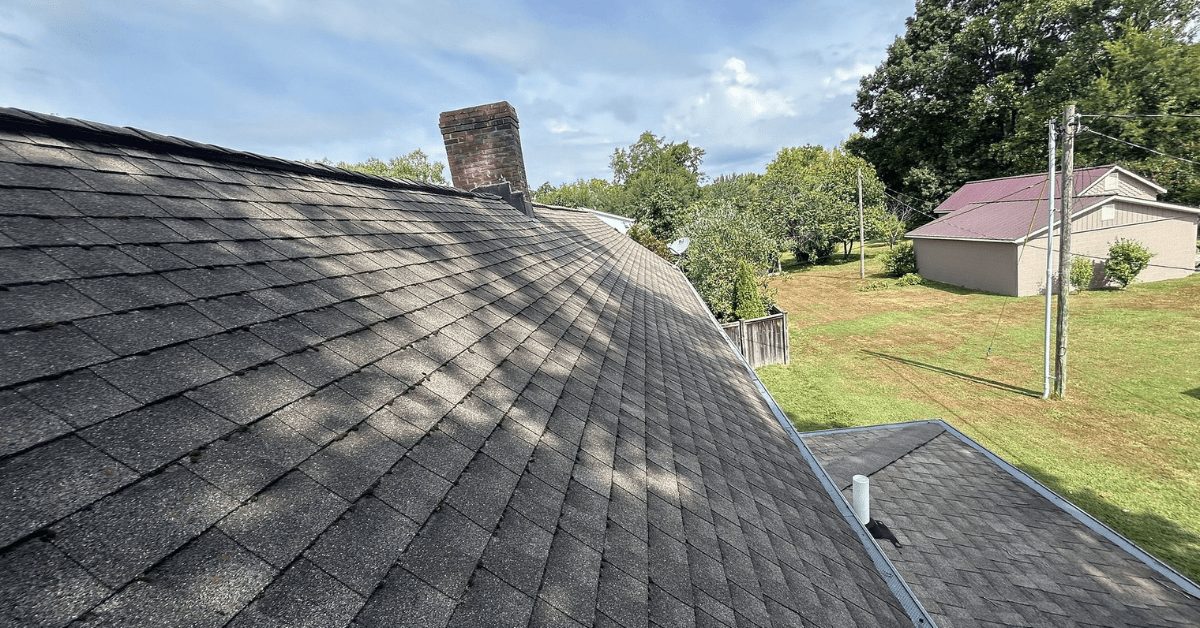
If your roof deck is sagging, that’s a big red flag. Over time, moisture buildup from springtime rain and winter snow can weaken the structural integrity of your roof. Ongoing water damage can compromise your home’s structure, including critical components like wood decking. If your roof has already been through multiple repairs, its foundation may no longer be strong enough to support another patch job—this is often a sign of significant wear that may require full replacement.
How to Check for Structural Issues
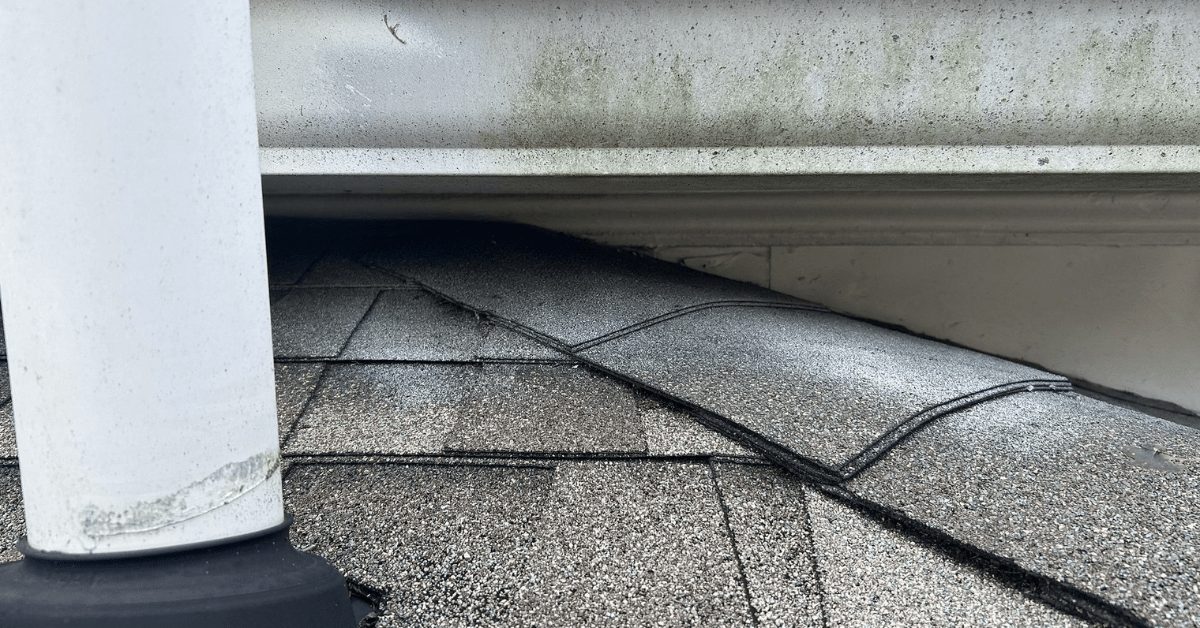
Look at your replacement projects from the past—if you’ve already had multiple roofing projects, it may be more cost-effective to get a new roof rather than continue roof repairs. If you notice a sagging roof deck or soft spots, contact a roofing company for a roof inspection to determine if it needs to be replaced.
3. Leaks & Water Damage
How Winter and Spring Rain Cause Leaks
Even a small leak can cause expensive repairs if left untreated. Winter months can create ice dams, which push water under your shingles, while rain exposes any existing roof damage. Trapped moisture in your materials leads to mold growth, algae growth, and water stains inside your home.
Signs of Water Damage
Check for water stains on your ceilings and walls, especially after heavy rain. Dark spots or discoloration are often a clear indicator of water leaks and should not be ignored. If you notice peeling paint, soft drywall, or musty odors, you might have a damaged roof that needs immediate attention. If you experience frequent leaks, this is a clear indicator that your roof may need to be replaced rather than opting for constant roof repairs.
4. Higher Energy Bills & Poor Insulation
Why a Damaged Roof Costs You More
If your old roof isn’t properly insulated, your home loses heat in the winter months and cool air in the summer months. This forces your HVAC system to work harder, driving up your energy bills.
How to Tell If Your Roof is Costing You Money
If you’ve noticed higher heating and cooling bills, your roof’s age might be to blame. Tracking the roof’s age is crucial for maintenance and replacement purposes, as older roofs are more likely to have insulation issues. Drafty rooms and inconsistent temperatures are signs that your materials aren’t holding up. Getting a roof replaced with modern, energy-efficient materials can help you save money in the long run.
5. Your Roof is Past Its Prime
How Long Should a Roof Last?
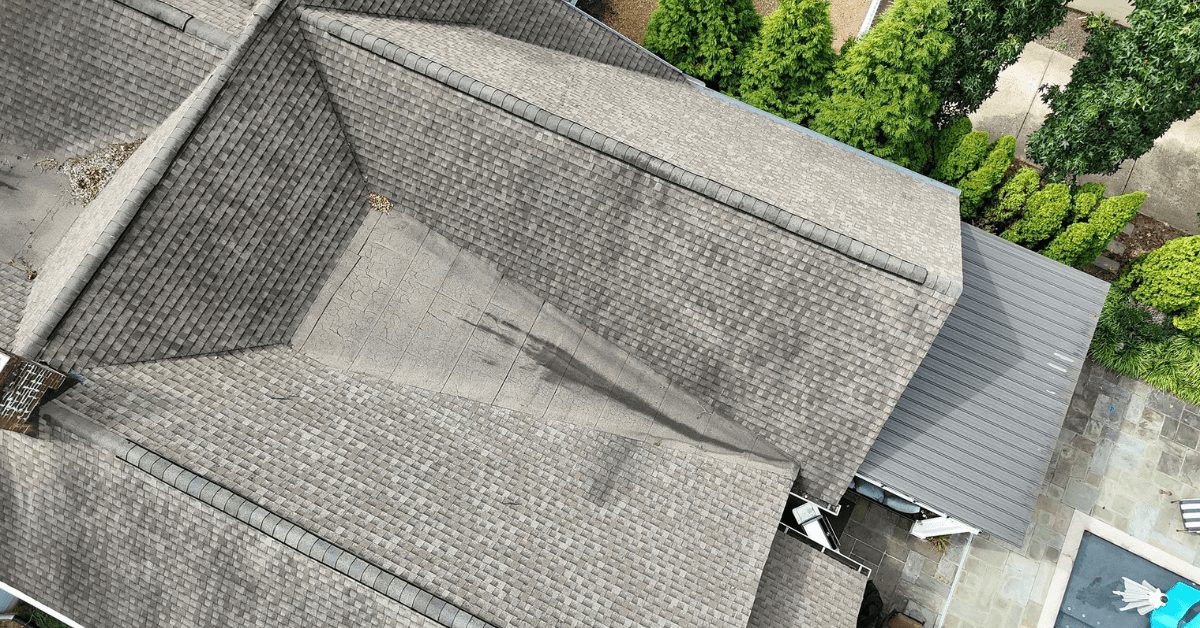
Every roof has a lifespan. Asphalt shingles typically last 20-25 years, while metal roofing can last longer. If your roof is approaching this age, it may be time to replace your roof.
How to Know If It’s Time for a New Roof
Check your home records to see when your roof was last replaced. Tracking the roof’s age is crucial, especially as it approaches the end of its service life. There are specific signs it’s time to consider a replacement, such as missing shingles, curling edges, or frequent leaks.
If it’s been over two decades, schedule a roof inspection with a roofing professional to determine if it’s time for a replacement. Even if there are no obvious leaks, an aging roof is more vulnerable to extreme weather conditions and could fail when you least expect it.
Roof Inspection and Maintenance
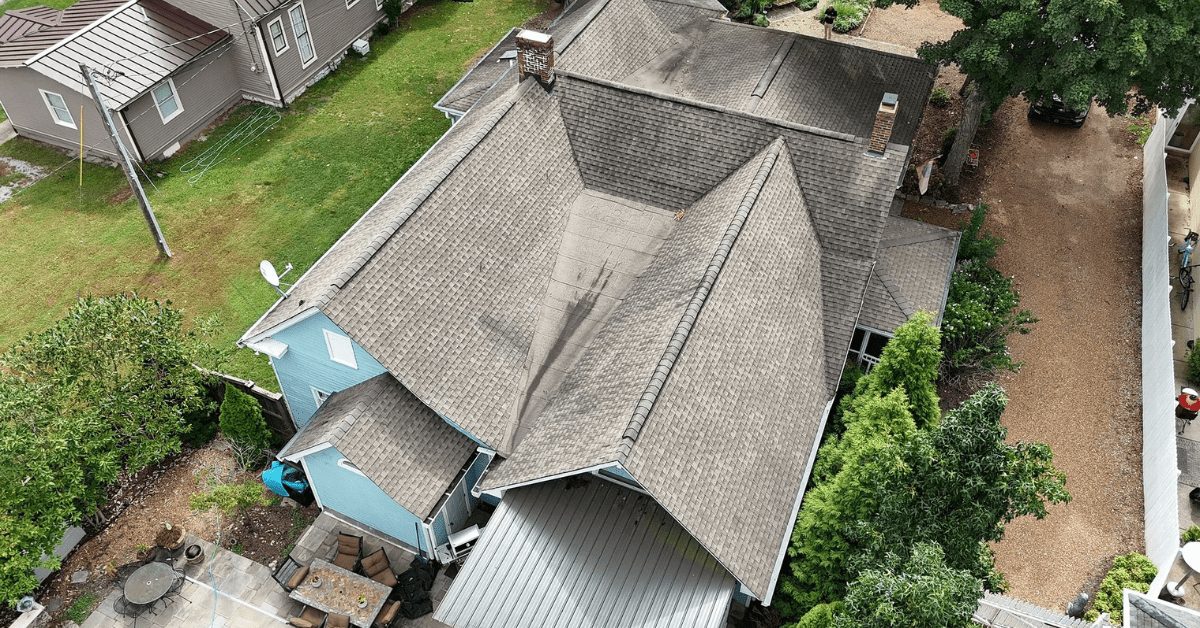
Regular maintenance and timely inspections are key to keeping your roof in top shape and extending its lifespan. Many homeowners overlook the importance of having their roof inspected by a professional, but this simple step can catch small problems before they turn into major headaches. A professional roof inspection will check for cracked shingles, damaged flashing, excessive granule loss, and other signs of roof damage that can lead to water damage or mold growth. It’s also important to keep your gutters clear and ensure your attic is properly ventilated to prevent moisture buildup on the roof deck. By making roof inspection and maintenance a regular part of your home care routine, you can avoid further damage from severe weather and help your shingles last as long as possible.
Insurance and Roof Replacement
Your roof plays a major role in your home insurance coverage and premiums. Insurance companies know that older roofs are more likely to suffer damage and generate claims, which can lead to higher rates for homeowners. Replacing your roof—especially if you upgrade from an older asphalt shingle roof to a more durable material—can sometimes qualify you for insurance discounts. Some insurance companies offer lower premiums for homes with new roofs, as they are less likely to experience leaks or storm damage. It’s a good idea to contact your insurance company to ask about potential discounts or changes to your policy after a roof replacement. Understanding how your roof’s age and condition affect your insurance can help you make informed decisions and potentially save money in the long run.
Hiring a Professional Roofer
When it’s time for a roof replacement, choosing the right roofing contractor is essential. An experienced roofing contractor will thoroughly assess your roof’s condition, identify any hidden issues, and recommend the best solution for your home. Many homeowners start their search online, but it’s important to look for a professional roofer with a solid reputation, excellent customer reviews, and a commitment to using high-quality materials. A reputable roofing contractor will offer free estimates, a detailed plan for your roof replacement project, and clear communication throughout the process. By hiring a professional roofer, you’ll enjoy peace of mind knowing your new roof will be installed correctly, boosting your home’s energy efficiency, curb appeal, and overall value. Investing in expert installation ensures your roof will protect your home for years to come.
Another Roofing Issue That Requires Attention
Gaps in Chimney Flashing
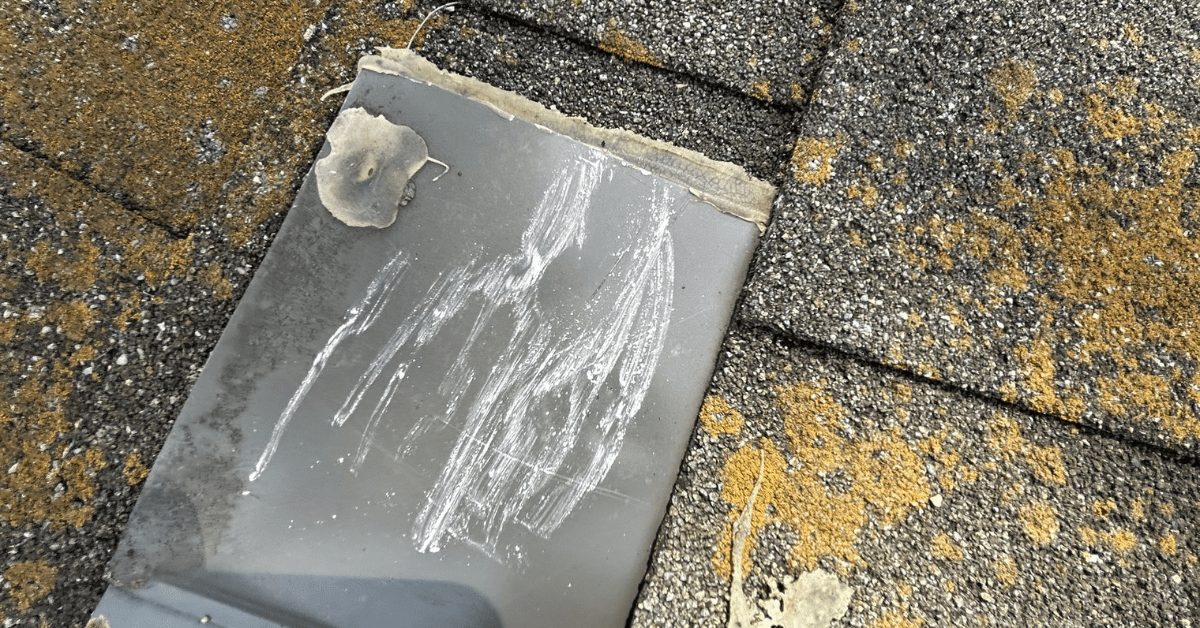
Gaps in chimney flashing can be a significant issue that requires immediate attention. Chimney flashing is a critical component of your roof’s weatherproofing system, and any gaps can allow water to seep into your home, causing damage to your walls, ceilings, and floors. If you notice gaps in your chimney flashing, it’s essential to have them repaired or replaced as soon as possible to prevent further damage.
Regular inspections can help identify gaps in chimney flashing before they become a major issue. During a inspection, a professional roofer will examine your chimney flashing and other roof components to identify any potential problems. If gaps are found, the roofer can recommend the necessary renovations or replacements to ensure your roof remains watertight.
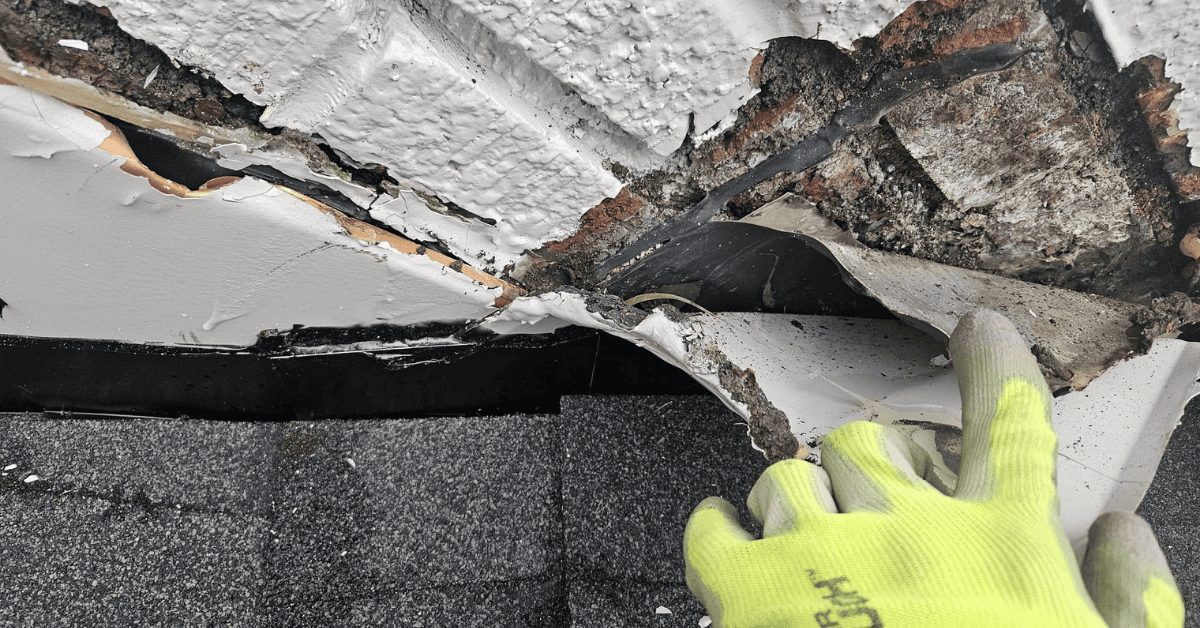
In addition to regular inspections, there are steps you can take to prevent gaps in chimney flashing. For example, you can ensure that your chimney is properly maintained, including cleaning and inspecting it regularly. You can also consider installing a chimney cap or crown to help prevent water from entering your chimney.
If you’re experiencing issues with gaps in chimney flashing, it’s essential to contact a local roofing company that specializes in roof repairs and replacements. They can assess the damage and recommend the necessary repairs or replacements to ensure your roof remains safe and secure.
Why Spring is the Best Season for Roof Replacement
Plan Ahead Before Late Summer Storms
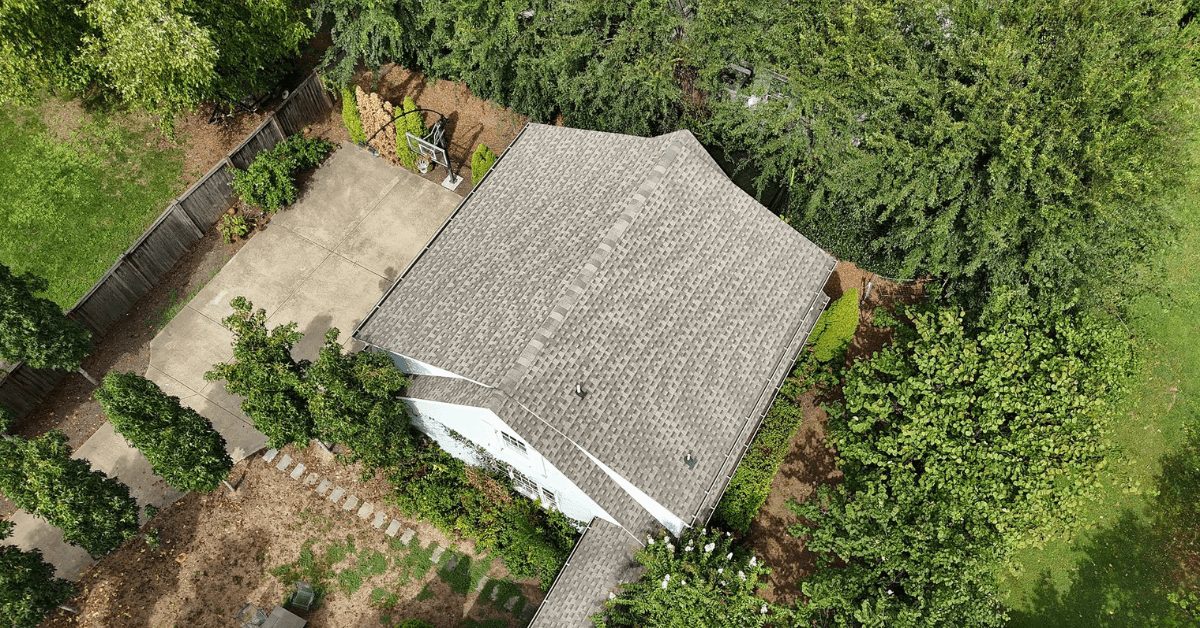
Spring is the ideal season for a roof replacement project because the weather is mild, and contractor’s availability is better than in late summer when storms pick up. By replacing your roof in spring, you avoid the rush and get your roof ready for the summer season.
How to Start the Roof Replacement Process
The first step is to schedule a roof inspection with a local roofing company. Many companies offer a free inspection to help homeowners identify potential issues early. If your roof needs to be replaced, work with a dedicated team like Five Points Roofing to get the job done right. Whether it’s your first roof replacement or part of ongoing roofing projects, replacing a worn roof is an investment that pays off in protection and energy efficiency.
Final Thoughts
If you’ve noticed absent shingles, leaks, a sagging deck, rising energy bills, or that your age of your roof is catching up with it, it’s time to take action. While repairs can help, at a certain point, a full replacement is the best solution. Spring is an ideal time to get inspected and plan for a roof replacement project before the summer season begins.
Five Points Roofing is a roofing company with a dedicated team that can guide you through the roof replacement process. If your roof needs replacing, don’t wait for fall or late summer storms to make matters worse. Hire professionals today and secure a new roof that will protect your home for years to come.